

135 Geographical Squadron Royal Engineers
February Range Weekend
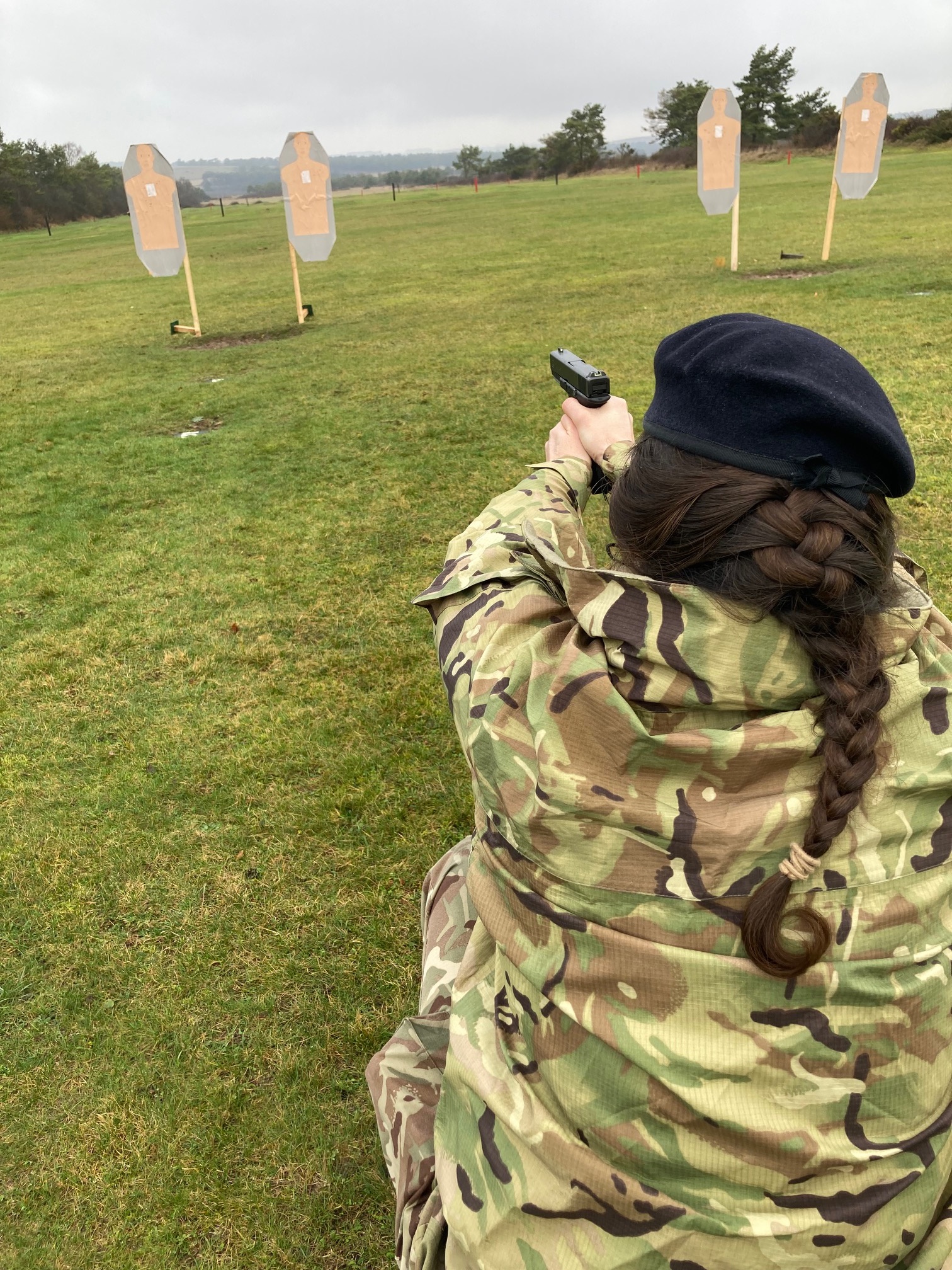
135 Geo Sqn headed for Bulford Ranges on the Weekend 10/11 February 24 to conduct our Annual Combat Marksmanship Test (ACMT) with the in-service rifle. With the beautiful shooting conditions we completed this by Saturday afternoon, ensuring that all 20 firers had earned a pass towards their Bounty Qualification. Two ‘Marksman’ scores were achieved, surprisingly even by the Officer Commanding who is typically a very mediocre shot! On Sunday we devoted ourselves to a familiarisation shoot using the in-service Glock pistol. For nine of the ten firers, this was their first time firing a pistol. While this is not a requirement, the Sqn had endeavoured to train up as many people on the pistol as possible in the proceeding few months driven by the initiative two particularly dedicated NCOs with a passion for shooting. The pistol training included lessons on the weapon system, safe handling, striping and assembling, cleaning and firing stances. All firers also had to do a virtual range shoot on the Dismounted Close Combat Trainer (DCCT) using the pistol. This was a hugely enjoyable experience for the ten firers concerned and we continue to train more personnel ahead of another shooting event on our Annual Camp in June with the objective of all passing the pistol ACMT.

March Endeavour Dinner
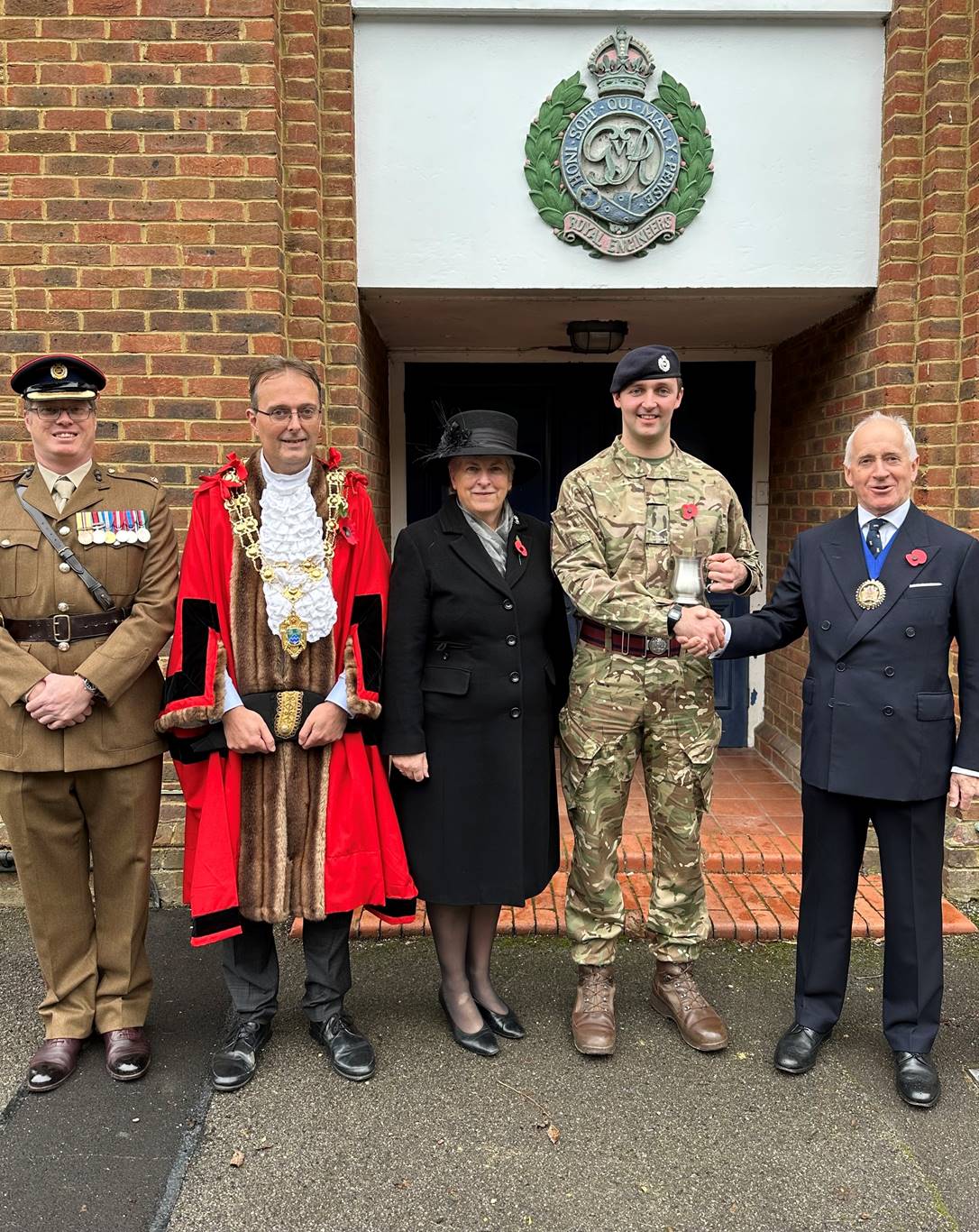
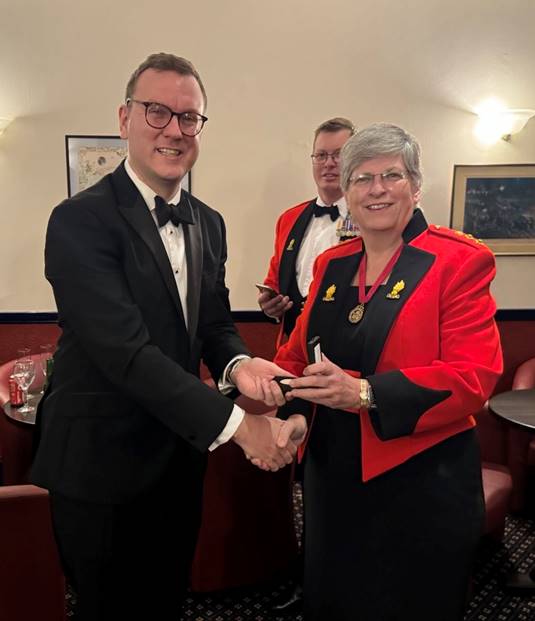
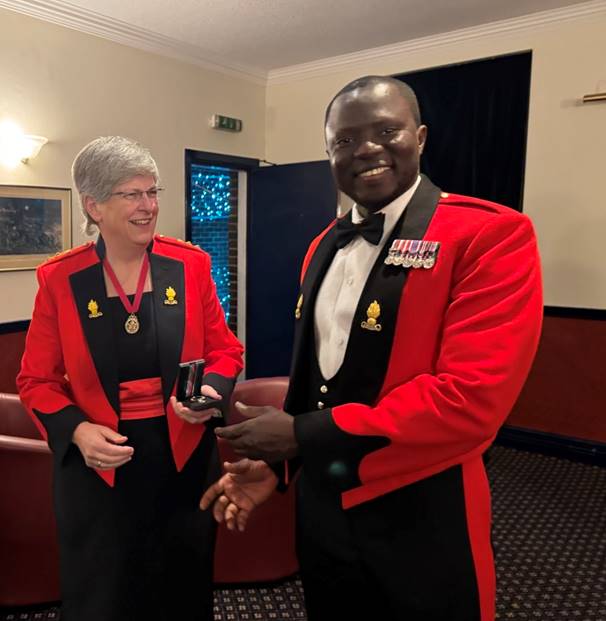
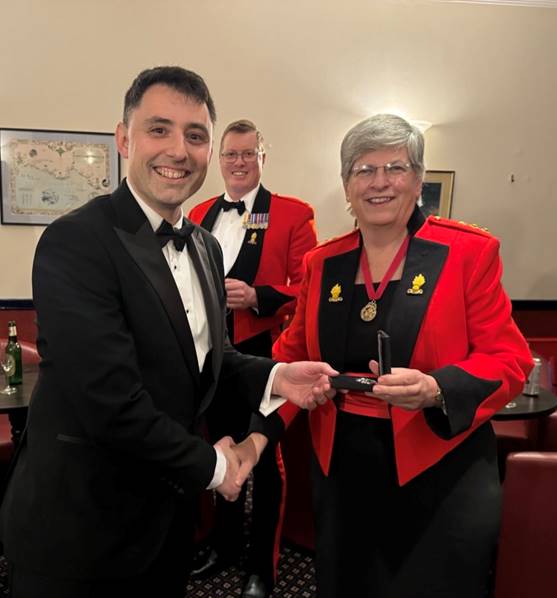
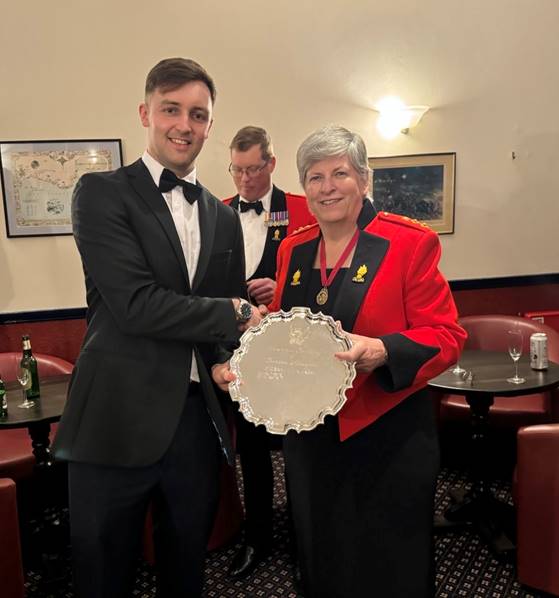
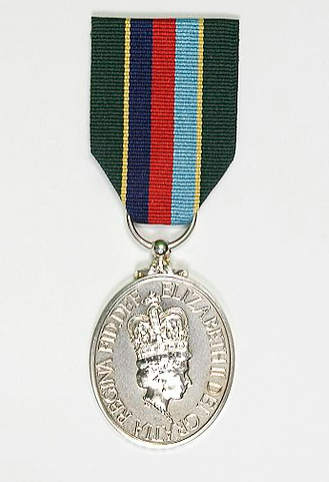
On Saturday 16 March 24, we celebrated the Endeavour Winner, Lance Corporal Williamson, at the annual Endeavour Dinner. As with last year we held this in the Drill Hall, suitably embellished with curtains other decorations to smooth off the utilitarian edges of the hall. We were very pleased to host the Master, Simon Camamile and Richard Davies from the Worshipful Company. We also hosted the Commanding Officer and Regimental Sergeant Major of 42 Engineer Regiment (Geographic), the Honorary Colonel Dr Vanessa Lawrence and the Mayor of Ewell, Councillor Robert Geleit. The Regimental Chefs worked wonders once again with a fantastic meal being prepared in a field Kitchen for 65 diners. We were also able to present three Volunteer Reserve Service Medals (VRSM) for ten qualifying years of service in the Reserves and a couple of bars to the VRSM (for extra five years of service), all very well deserved!
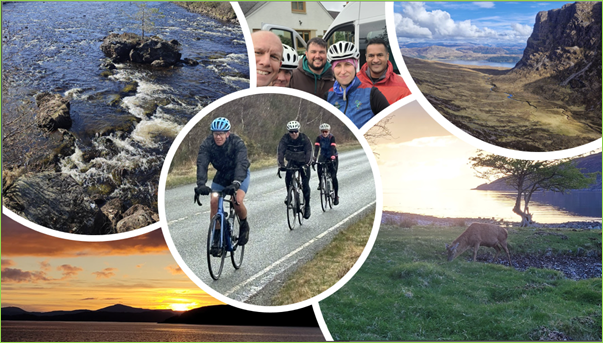
Cycling the North Coast 500; mile after mile of empty roads, beautiful scenery and strong winds.
The North Coast 500, or NC500 for short, is a circular route that starts and ends in Inverness, the capital of the Highlands. It covers 500 miles (800 km) of stunning landscapes, including mountains, lochs, beaches, castles, and wildlife. Since its launch in 2015, it has quickly become one of the most popular and iconic routes for drivers, motorhome enthusiasts and motorcyclists from all over the world.
However, cycling the NC500 is not for the faint-hearted. It involves seriously steep climbs, narrow roads, and unpredictable weather. The route climbs a total of 9,170 m (30,000 ft) which is more than the height of Everest. But it also offers an unparalleled sense of adventure, freedom, and achievement. On two wheels and human power you have the time to drink in some of the most breath-taking views in Europe and challenge yourself physically and mentally.
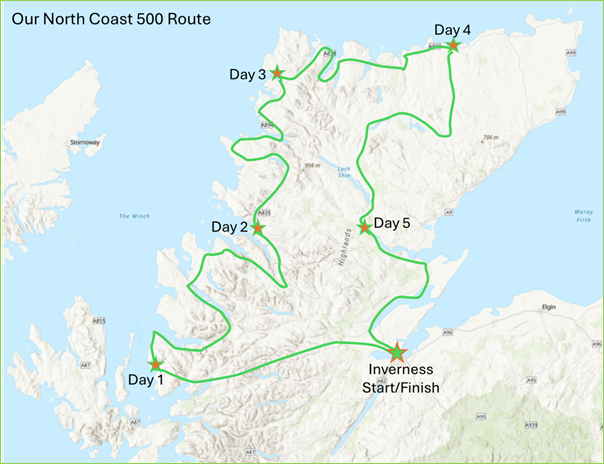
A team of five reservists (three riders and two support) from 135 Sqn joined 12 riders from 42 Engr Regt to undertake this mammoth cycling challenge, starting in Inverness on 26 April and returning to the city on 2 May, a total of six days riding.
Day one dawned bright and cold as the group assembled and set off out of the city to pick up the route and begin the ride. Ahead lay 133 km of road and the most demanding climb of the entire route, Applecross Pass. Within an hour of departure the weather turned very Scottish, with cold rain, then hail stinging the exposed flesh and the “fast” group getting a puncture before the first tea stop. The ascent of Applecross at the end of the day was every bit as demanding as expected. This road is beloved of cyclists keen to test their legs and has the steepest ascent of any road in the United Kingdom , starting from sea level and rising to 2,054 feet with a series of switchbacks over the course of its five mile duration. During this section of the journey, many riders became walkers. On reaching the top, the good news was that four miles of epic downhill lay ahead into the campsite! Tents were quickly pitched, cold showers had and refuelling and rehydrating began in earnest, ready for day two… the longest day.
After limited sleep and a quick breakfast, camp was broken and the riders climbed aboard their iron (well carbon mostly) steads with some trepidation as, at 189 km, the ride ahead was longer than anyone in the team had done in training by some distance. Not only was it long, it was also hilly, with 2,110 metres of climbing to cover. Add in what seemed to be a constant cold headwind and it had all the makings of being grim. And sure enough it delivered. A whole hour long section of the route was christened the “Valley of Death” as the landscape changed to become a barren, exposed valley and the road ahead wound relentlessly onward. It’s in these (very long) moments that all chat stops, the head goes down and the pedals grind away into the howling wind and you are left alone with dark thoughts about the endeavour you are undertaking. But inevitably, it came to an end, our ever-cheerful support team appeared at a tea shop and hot soup and cheese toasties lifted the mood. Onward, ever onward we rode to the next camp site.
Days three, four, five and six all followed the same routine: Wake up after not enough sleep, eat, ride, rinse, repeat. What did change was the terrain and sensory stimuli along the way. Some of the most stunning and beguiling sights the UK has to offer; rugged, snow-capped peaks, pristine sand in hidden bays, Highland stags amongst the bracken and heather, eagles (maybe large buzzards) soaring overhead in cloudless azure skies, white gulls against the dark blue of the north Atlantic. Alongside the sights were the smells; pungent seaweed along the side of the coastal lochs, the near constant smell of coconut coming from the yellow gorse flowers. And alongside the smells were the sounds; spinning wheels on tarmac, water falling down rocky streams and the song of ever present skylarks marking out their territory.
Day six saw us return to the city of departure with some relief. After completing 95% of the route puncture free, a puncture pre-lunch broke the seal. Then, at the final rest stop, within sight of the finish, three punctures in quick succession befell another member of the group. Fortunately the weather was on our side and they occurred outside a pub with a garden, making the repairs less frustrating. The 135 team then rode back into the city, to Inverness castle, before going on to meet up with the support team for the final time. Despite of our advanced years (average age 47) and our limited training, we flew the flag for the Reservists’ and more than matched the regular contingent in all areas.
The overriding feeling from the team after completing this was how lucky we were:
• We were lucky with the weather which was, for the most part unbelievably good, with little rain, although a bit less wind would have been great.
• We were lucky to get round the route with so few problems; no major mechanical issues, navigation errors or accidents.
• We were lucky with the unstinting sustenance, encouragement and enthusiasm from our support crew who kept us going throughout. Without their cheese, ham and mayo sarnies, we might still be out there, cycling on empty.
• We were lucky to have had the opportunity to undertake such a challenge and smash it!
May Technical Training Weekend
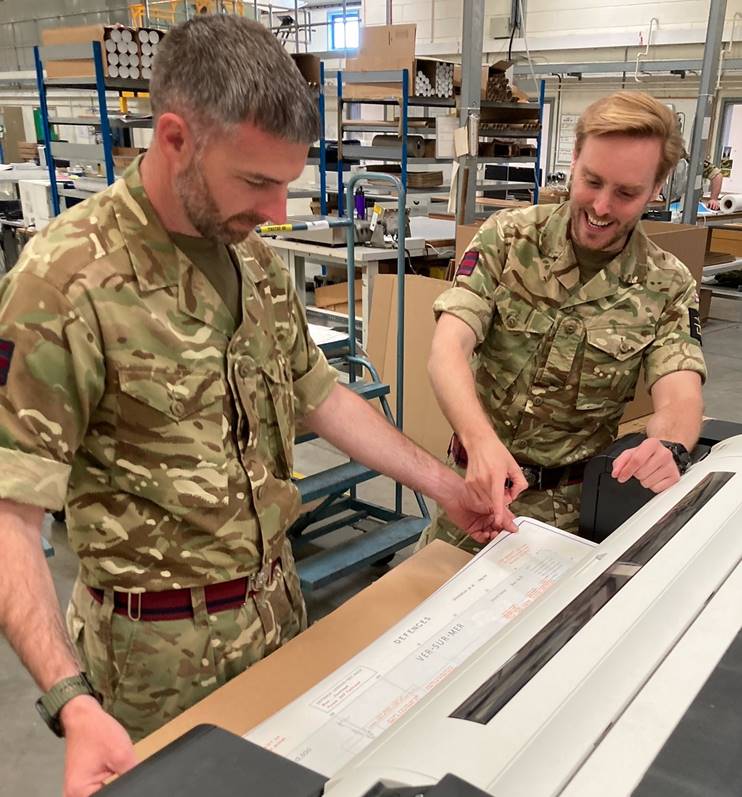
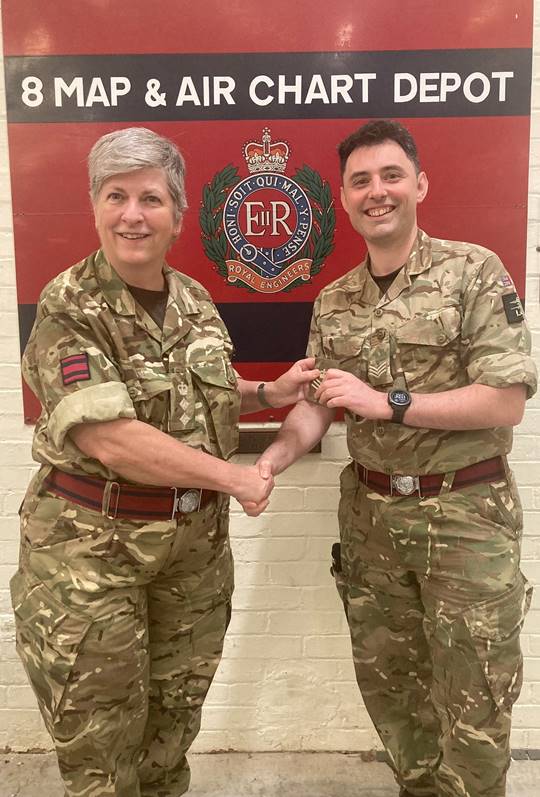
From 9-12 May, 135 Geo Sqn’s ran Exercise Tech Owl, a long weekend of technical training aimed at the individuals on the Intermediate and Advanced Geo courses, our internally run trade courses. These courses are intended to provide our soldiers with the ‘Geo’ skills required to fulfil their warfighting roles providing bulk mapping reproduction and map distribution. To anchor the training to the wider Geo picture, we conducted the training both with 42 Engineer Regiment and the National Centre for Geospatial Intelligence at Wyton, and at the Defence Geographic Centre’s Map and Chart Depot in Feltham, London. The weekend was also an opportunity to officially promote Sergeant K to Staff Sergeant K, a well deserved promotion of one of our outstanding Senior Non-Commissioned Officers.
Past Quarterly Reports
| • Autumn 2024 |
| • Spring 2024 |
| • Autumn 2023 |
| • Spring 2023 |
| • Summer 2022 |
| • Winter 2021 |
| • Summer 2021 |
| • Spring 2021 |
| • Autumn 2020 |
| • Spring 2020 |
| • Summer 2019 |
| • Spring 2019 |
| • Autumn 2018 |
| • Summer 2018 |
| • Spring 2018 |
| • Winter 2017 |
| • Autumn 2017 |
| • Summer 2017 |
| • Winter 2016 |
| • Autumn 2016 |
| • Summer 2016 |
| • Spring 2016 |